
A Reading Rut
another lesson in letting go

Welcome to Pocketful of Prose, a community for sharing stories. Links are in bold, and there’s an audio of this pocket if that works better for your life. Thank you for being here and supporting my work.
Without further ado, today’s pocket.
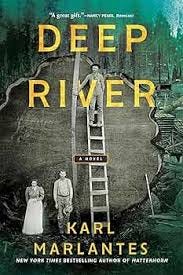
I love it when I’m reading a book that I can’t wait to return to. Right now, I’m reading Deep River by Karl Marlantes, a story about three Finnish siblings who are trying to find their version of the American Dream in the Pacific Northwest in the early 1900’s. All the characters in the book are rich and well developed. They feel like friends, and I can’t wait to spend time with them.
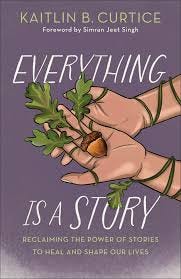
As a teacher, I start class with reading time. I believe that if I want my students to develop a reading life outside of school, I need to show them how to do that inside school, so I set aside time each class period for students to read. For dysregulated kids, this is a relaxing experience they can rely on at the start of class. Sometimes I read while my students read. Recently, I’ve been reading Everything Is a Story by Kaitlin Curtice. So far, it is my favorite of her books. Curtice’s words expand my thinking, and I’m enjoying marking up the book with my thoughts that I will share with students next year when I teach the book to my Native American Literature class.

This past week I even read the latest edition of the New Yorker, not cover to cover, which I decided wasn’t working for me, but I skimmed through and picked the story that interested me the most. It was a real-life Cinderella story where a horrible couple in Texas trafficked a girl from Guinea to work for them without pay. I can’t stop thinking about it.
My current reading life is full and flowing like a river, and I am happily paddleboarding down it. It is not always like this. Sometimes, the water is shallow, the rocks are abundant, and I can’t even stand up, let alone steer. Even in the best relationships, we sometimes get stuck.
A few weeks ago, I became acutely aware of my rut when Dan and I were sitting next to each other on the couch, reading our respective books. His face was so expressive while he read. His book made him laugh and sigh and nod. It was a classic I’ll have what she’s having situation.
When I’m in a reading rut, it is not that I don’t have anything to read. I usually have a book by my bedside, several actually. It’s just that I’m not reading any of them. Often, I have started one that I don’t find myself thinking about when I’m not reading it. It’s a basic, I’m just not that into you situation. However, I usually don’t do anything about it right away. The book just sits there, and I find other ways to spend my time. Often several weeks go by before it occurs to me that maybe the reason I’m not reading is because the book is not for me. At 46, I’m still slow to acknowledge when things are just not for me. If a book is recommended by a good friend, whose taste I trust, I tend to think there’s something I’m missing, if I’m not enjoying it, and perhaps if I just stick with it a little longer, the magic will be revealed. This happened recently with The Bee Sting, by Paul Murray. I wasn’t enjoying myself while reading it, but instead of letting go, I texted my friend who recommended it to see if her reasons for liking it would be enough to propel me forward.
My friend Andrea Bass, who writes Literary Merit, works as a library clerk in several school libraries across the district, including mine. She sets up fun displays to encourage students and teachers to check out books. One of my favorites displays that she does is where she pairs Amazon’s one-star reviews with the well-renowned book that received the review. She recently shared some of these reviews on her Substack.
I recognized many of the books on Andrea’s list. Someone said that Catherine Newman’s Wreck was “pointless and silly.” I read that book in a weekend, and it was a very good weekend precisely because I was reading that book.
One review for Homegoing by Yaa Gyasi, one of my favorite books on the planet, said “the story was so heavily invested in poop and procreation.” I don’t even know what that means, but I imagine procreation is important when telling a story about intergenerational trauma. Also, everybody poops, so shut up hater.
I’ll be honest though, there were a few one-star reviews that I tended to agree with. “On a positive note, the book landed in the wastepaper basket on my very first throw.” This was a review for a book that I regretted making myself finish.
It occurred to me though that perhaps the people writing these Amazon reviews weren’t angry at the authors for writing books they didn’t like, they were angry at themselves for spending their time reading them, when they knew from the start they didn’t like them.
I did that a few years ago with Barbara Kingsolver’s Demon Copperhead. A hundred pages in, I really wanted to throw the book in the bin, but I didn’t because it had gotten such rave reviews, and because I had loved every other book I had ever read by Kingsolver. So, I finished it, all 560 pages. When I completed it, I wasn’t pleased I persevered. Rather, I wanted to throw the book not just in the bin but at every person that had ever recommended it to me. Andrea didn’t recommend this one, and I could never throw a book at her even if she did. Mostly though, I was angry at myself for not listening to the voice that was quietly whispering I’m not sure this is for me.
In my classroom, I only require my students to read two whole class novels for the year. For the other books I allow them to choose books from the library and from a curated list of five or so books that we do book clubs with. I do this to recognize their different tastes and to allow them to have choice in what they read. Choice is voice after all. One of my students was absent for a couple of weeks when we were choosing our book club books, so I placed him in a group that was reading another one of my favorite books of all time, Braiding Sweetgrass by Robin Wall Kimmerer. When he returned the book to me, I asked him what he thought of it. He said it was like eating a well-done steak without seasoning. He couldn’t wait to return it to me. He had written his one-star review on his heart.
My nephew coined the phrase, you like what you like, and the rest of us fell in love with it. Yes, you should try new things but after a hundred pages, or a hundred minus your age according to a librarian I love, it might be time to let go.
I can’t write a one-star review about The Bee Sting because I didn’t finish it. I returned it to the library, and now I harbor no hard feelings for Paul Murray. If anything, I’m grateful to him because saying what we don’t like helps us find what we do.
I would write more, but there’s a Deep River, waiting for me, and the wind is finally at my back.
This Week in the Garden
Just photos this week of what’s blooming and bringing me joy.
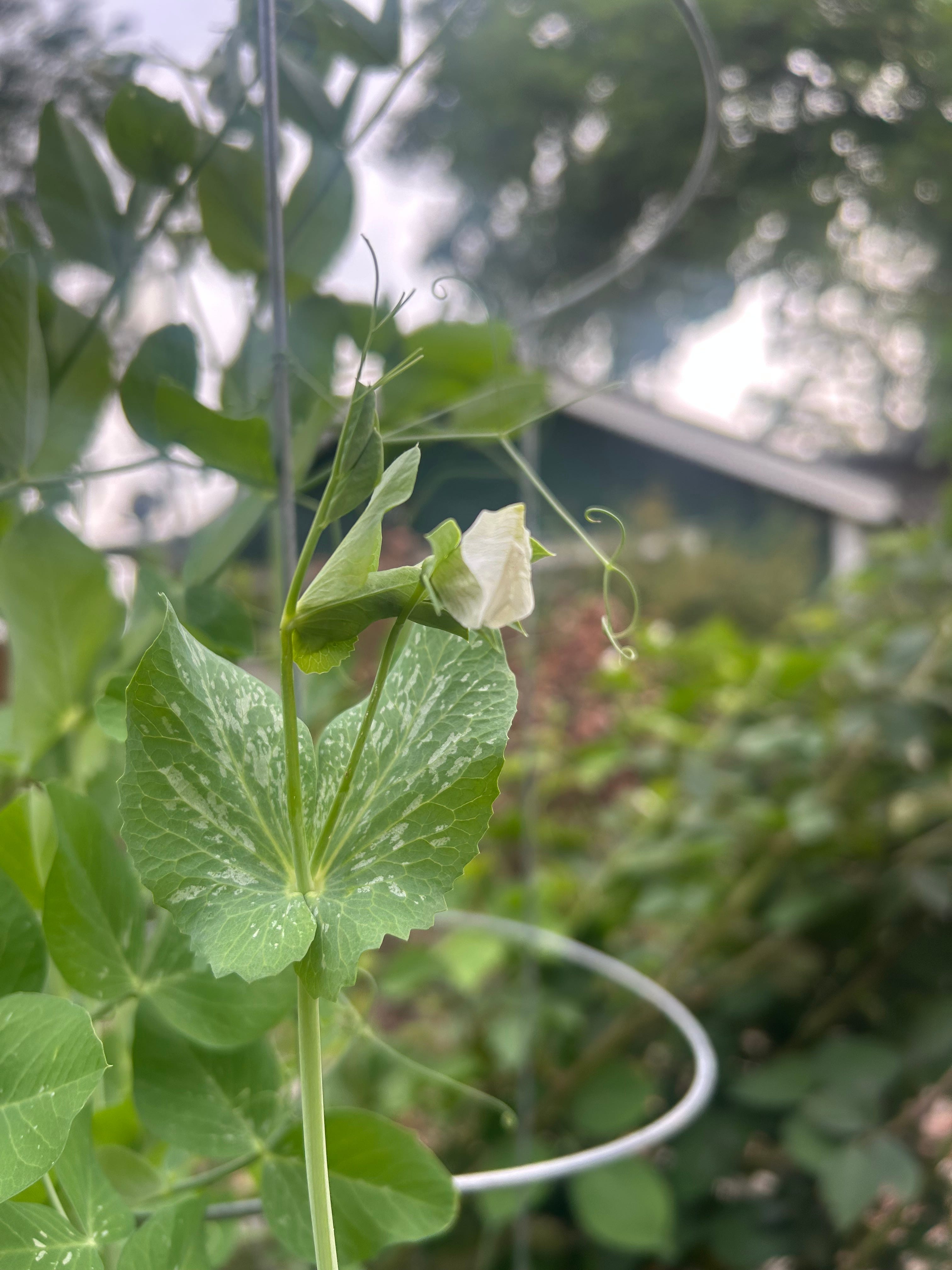

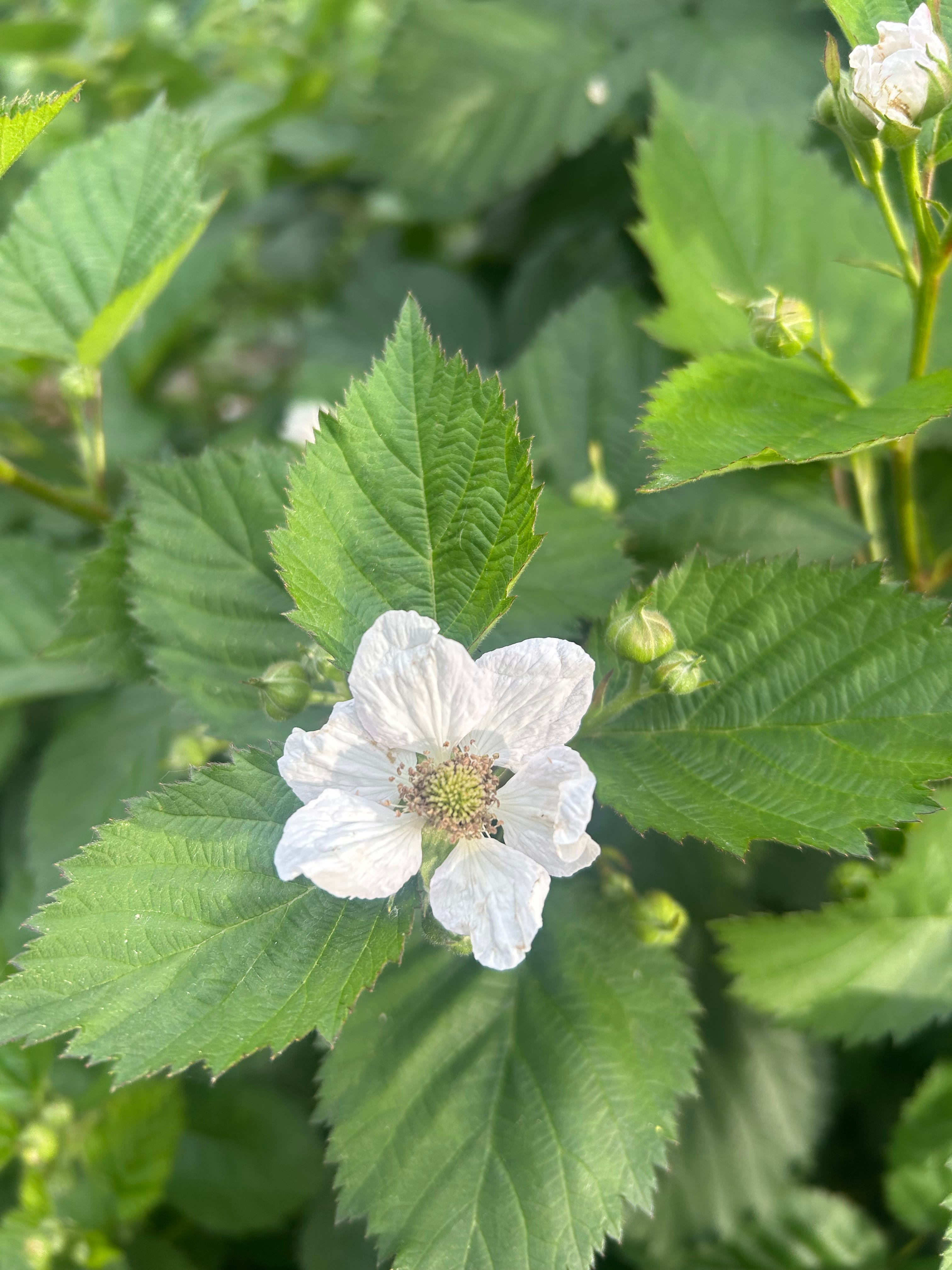
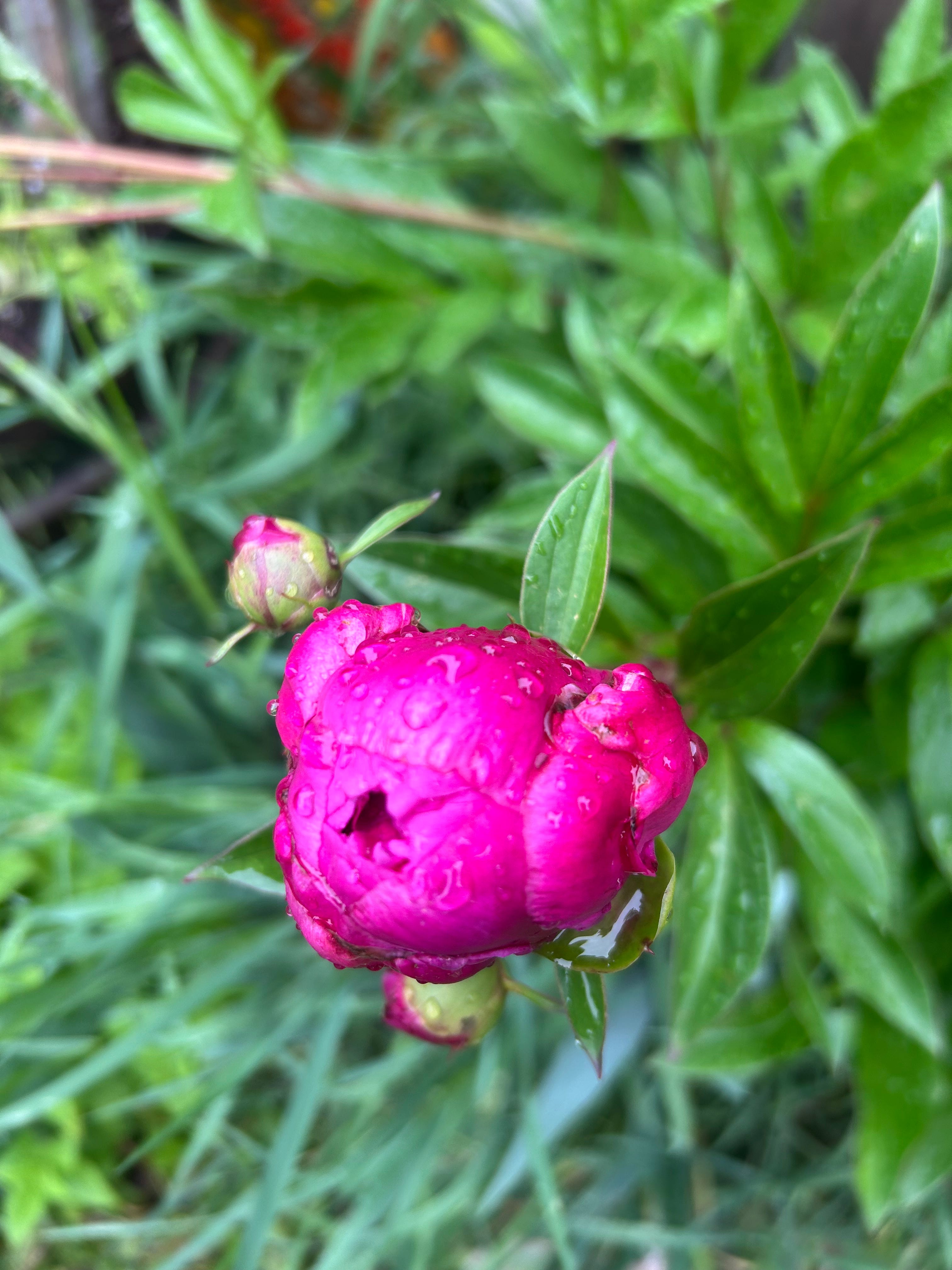
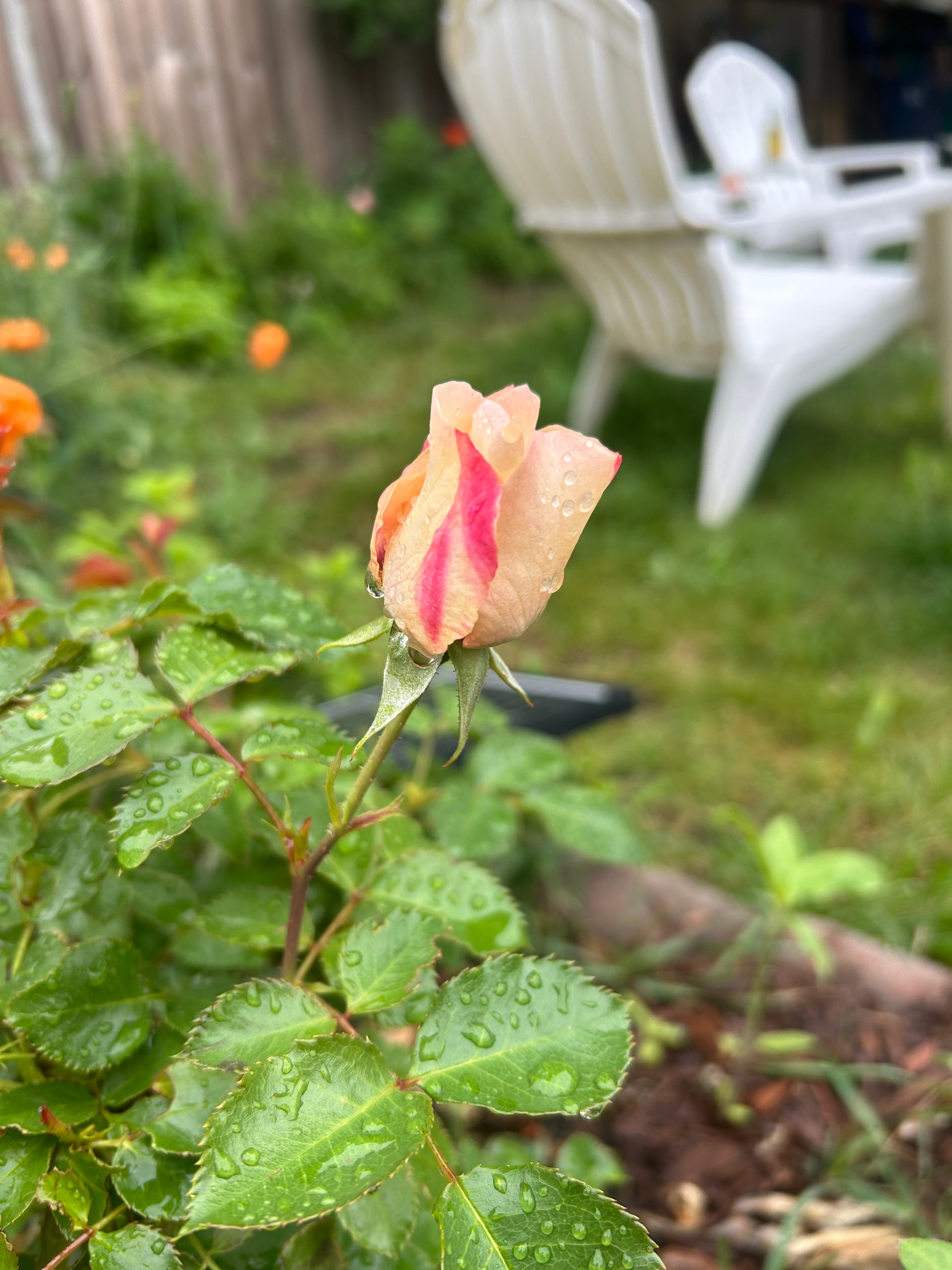
I’d love to continue this conversation in the comments. Do you have a hard time letting go of books you don’t like? What book is at your bedside? What’s growing in your garden?
With two DNF’s in May (and feeling a weird guilt, mixed with frustration, mixed with disappointment afterward), I really needed to hear this!
It reminds me of the saying ‘the clothes should fit you, not you should fit the clothes.’ If a book doesn’t fit you, you should move on 👋
My kids and I are always having this conversation. Two of my three are like me: total completionists, no matter how brutal the process. Books have been thrown, both at walls and other people. My husband feels no such need. The verdict is out on my youngest. What I love about this is the part where you listen to yourself and not the cacophony outside.